
Munich Now
Oktoberfest Opening Day 2026: A First-Hand Wiesn Report
I visited the Oktoberfest opening day 2026 on Saturday, September 19. By late morning, the routes around the grounds were crowded, the beer tents were filling quickly, and music, beer carriages and running rides made it clear that the Wiesn had begun.
Larger rides I checked: about €8–€12.
Oide Wiesn rides: €1.50.
Field prices checked on September 19, 2026
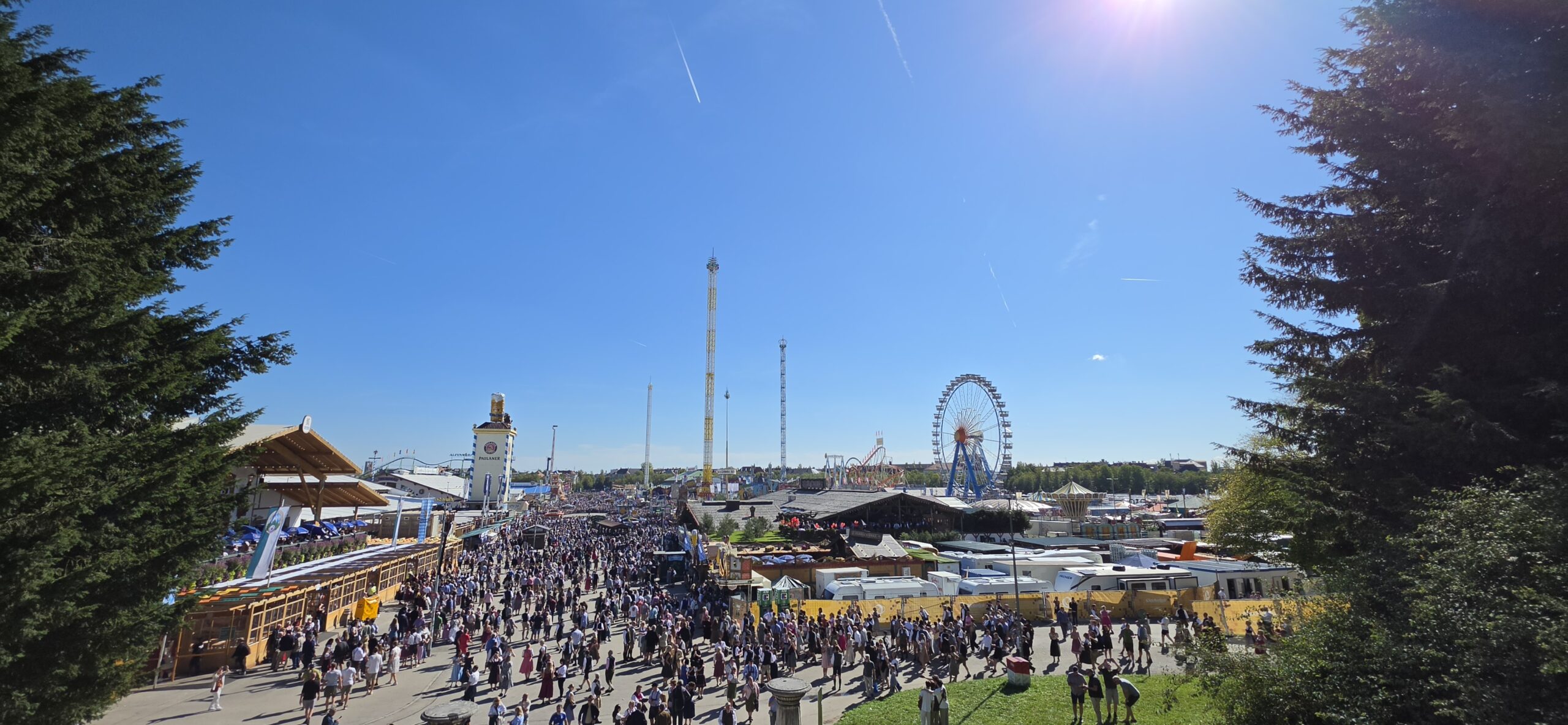
The opening-day crowd seen from the Bavaria statue, with the beer tents and rides stretching across the Theresienwiese.
A different walk from Hackerbrücke
I normally approach the Wiesn from Goetheplatz, but this time I walked from Hackerbrücke. It is a popular arrival point, especially for visitors coming by S-Bahn.
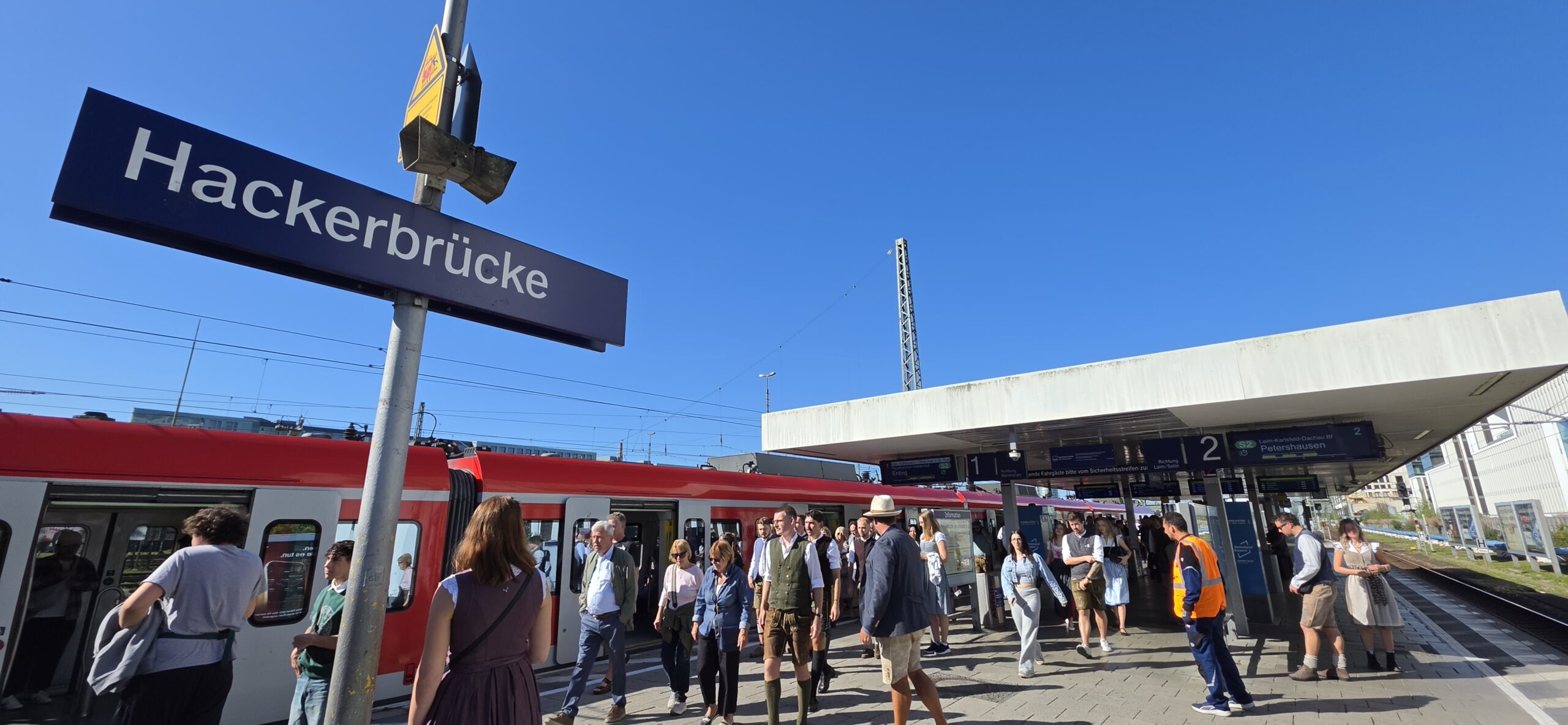
Hackerbrücke station on Saturday morning, with many visitors already dressed in traditional clothing.
The direct approach was not running smoothly that morning. Because of the opening-day parade and crowd controls, visitors were redirected around the west side of the grounds toward the Bavaria statue. This appeared to be a special opening-day situation rather than the normal route.
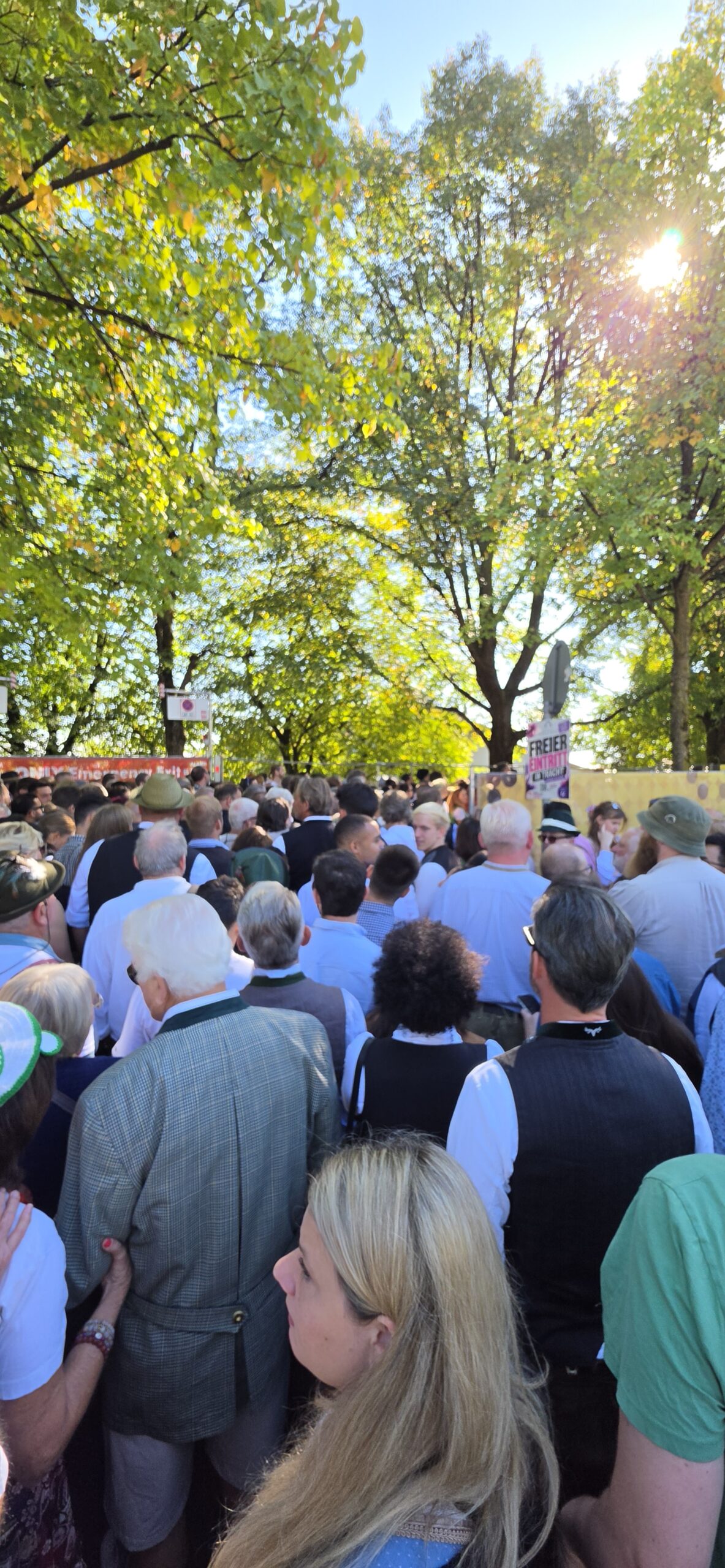
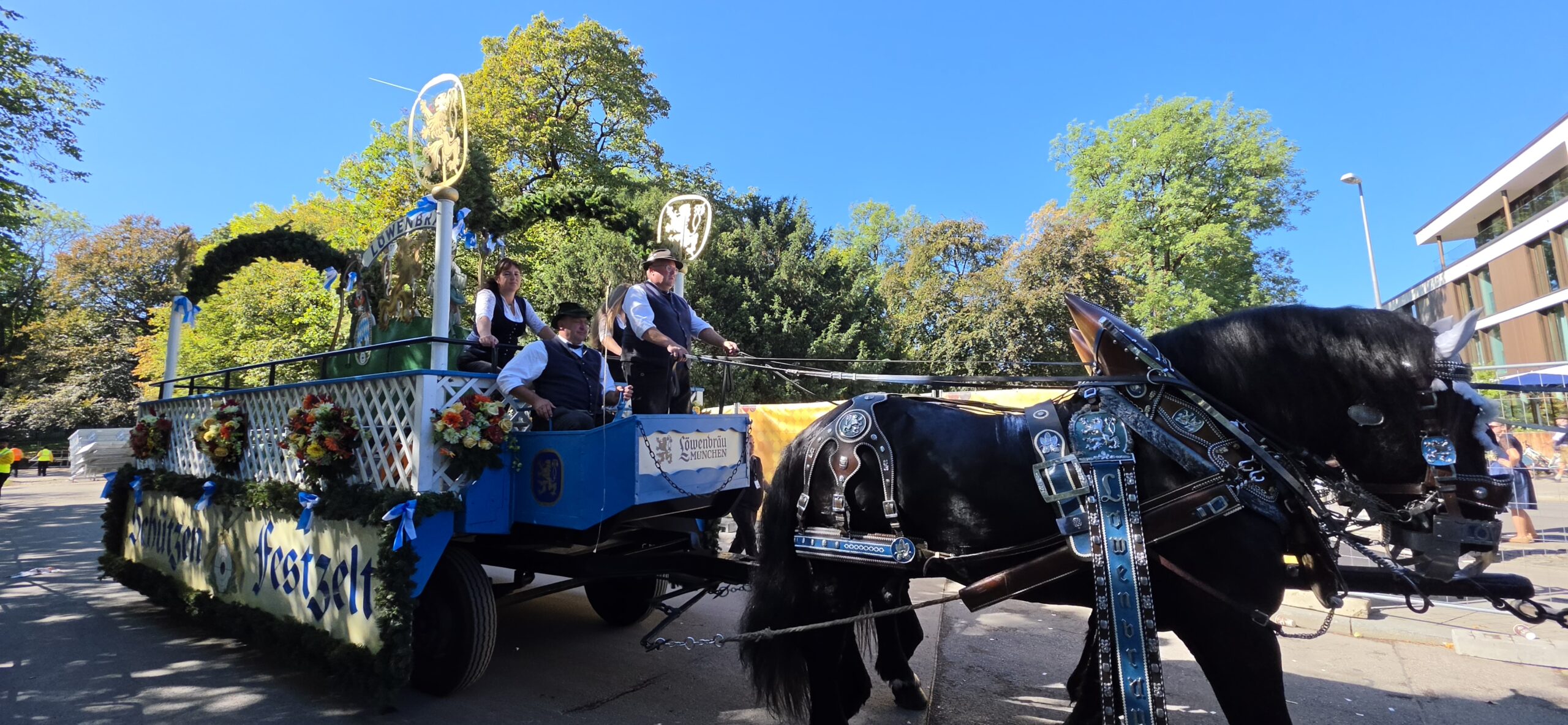
The crowded approach and a Löwenbräu beer carriage near the opening-day parade route.
Bag checks happen more than once
Bags were checked at the entrance to the festival grounds. The official limit is three litres, with maximum dimensions of 20 × 15 × 10 centimetres. I also saw checks at individual beer tents. A bag that looked only slightly too large could still be refused at the tent entrance.
If possible, bring no bag at all. It makes the entrance process quicker and also avoids problems when moving between tents.
Inside a packed beer tent
The large beer tents were already extremely busy around midday. Inside the Hacker-Pschorr tent, the crowd, music and raised beer glasses created the classic Wiesn atmosphere—but it was also loud and tightly packed.
In 2026, a one-litre Maß of Oktoberfest beer costs between €14.80 and €15.90, depending on the tent.
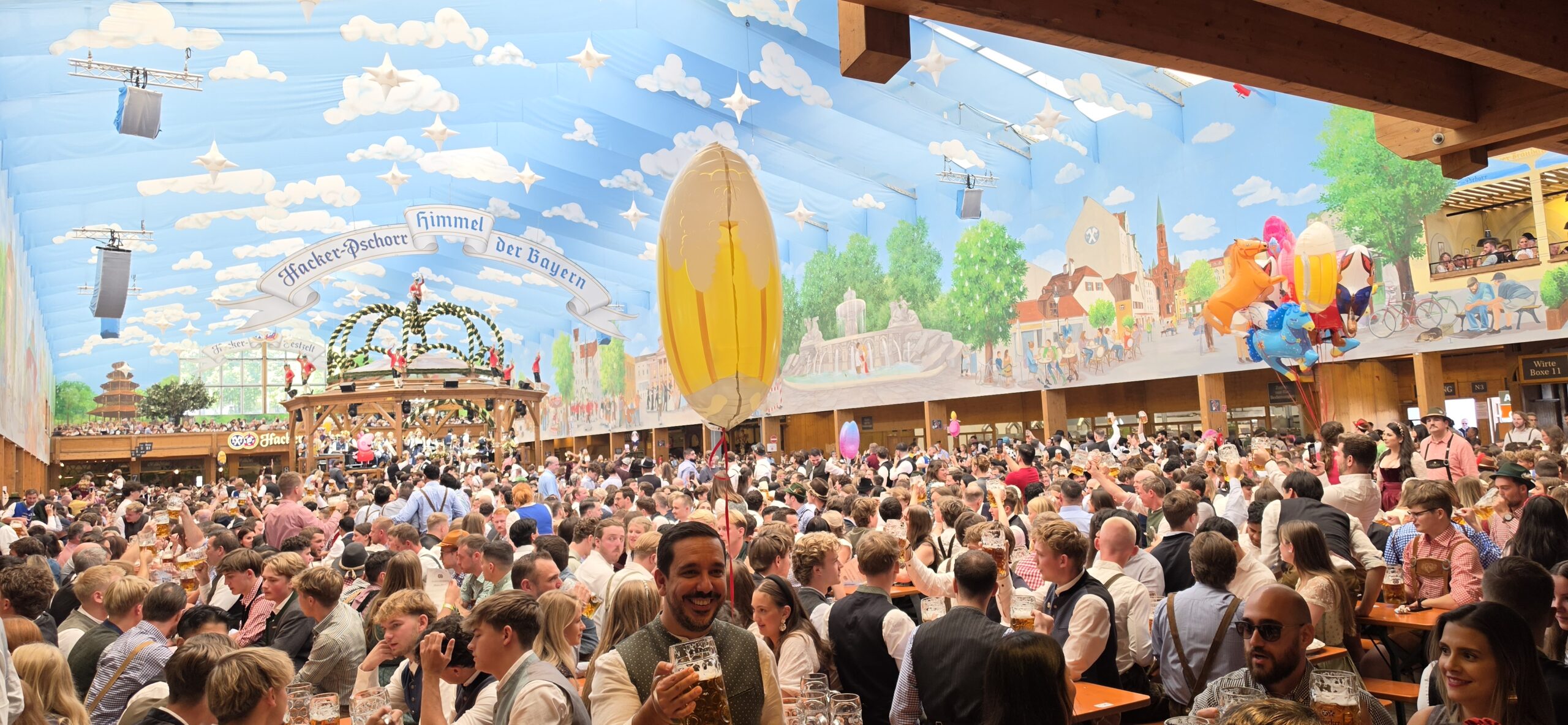
The Hacker-Pschorr tent on opening day: bright, lively and already packed.
Ride prices on the main Wiesn
The rides I checked on the main festival grounds generally cost between €8 and €12. These were mostly larger attractions, so smaller rides and games may cost less.
The payment system depended on the attraction. Some rides had automatic ticket machines, while others still sold tickets from a traditional booth.
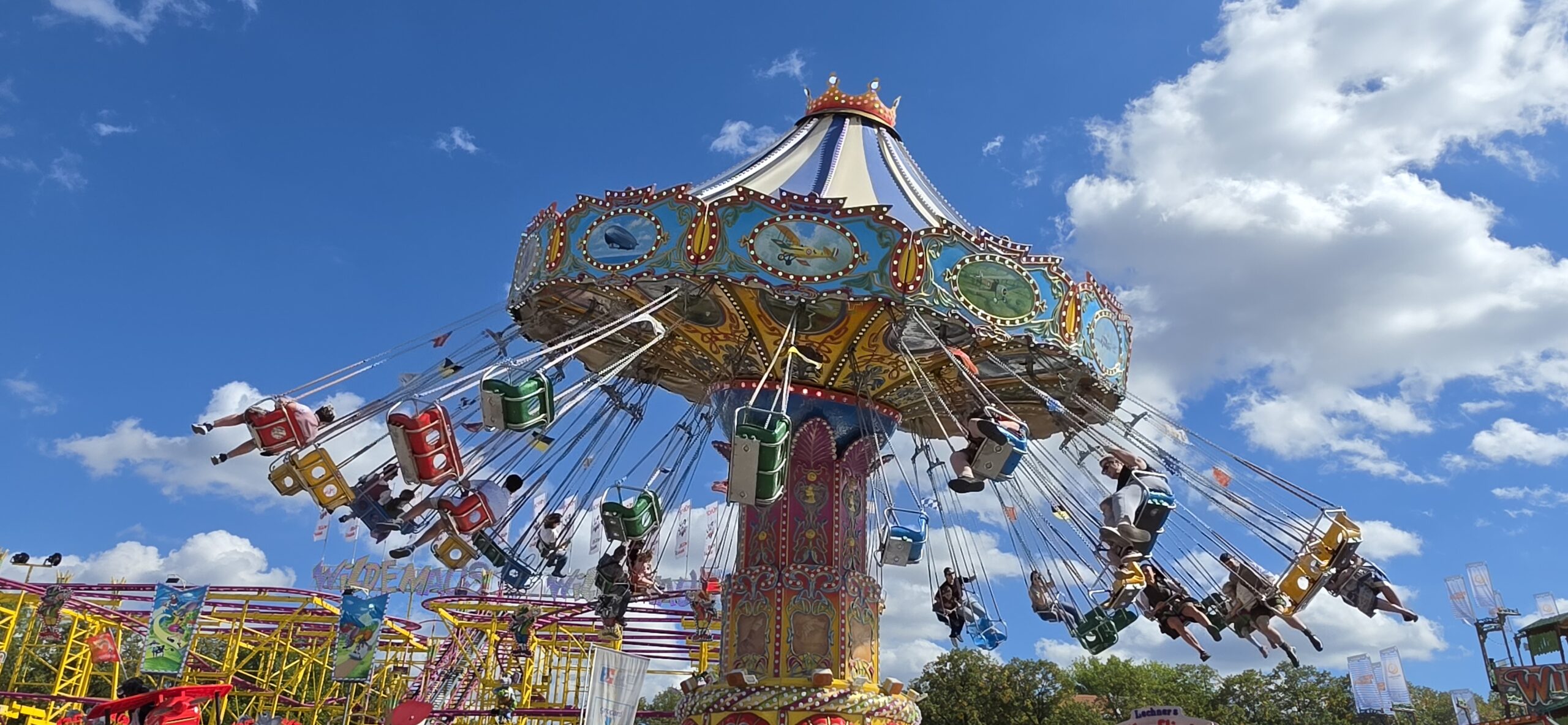
One of the rides on the main Wiesn. Larger attractions were commonly priced around €8 to €12 during my visit.
The Oide Wiesn changed my mind
I had thought of the Oide Wiesn as little more than a separate area for children. After visiting it, I realised that this was the wrong impression.
Adult admission costs €4, while children up to and including age 14 enter free. It works for both children and adults: the area is less crowded and less stressful than the main Wiesn, with more room to slow down and enjoy the festival. I would especially recommend it to families visiting with children around the age of ten. Parents and children can experience Oktoberfest together without being overwhelmed by the busiest parts of the main grounds, while the traditional tents, live music and historic rides still feel unmistakably like Oktoberfest.
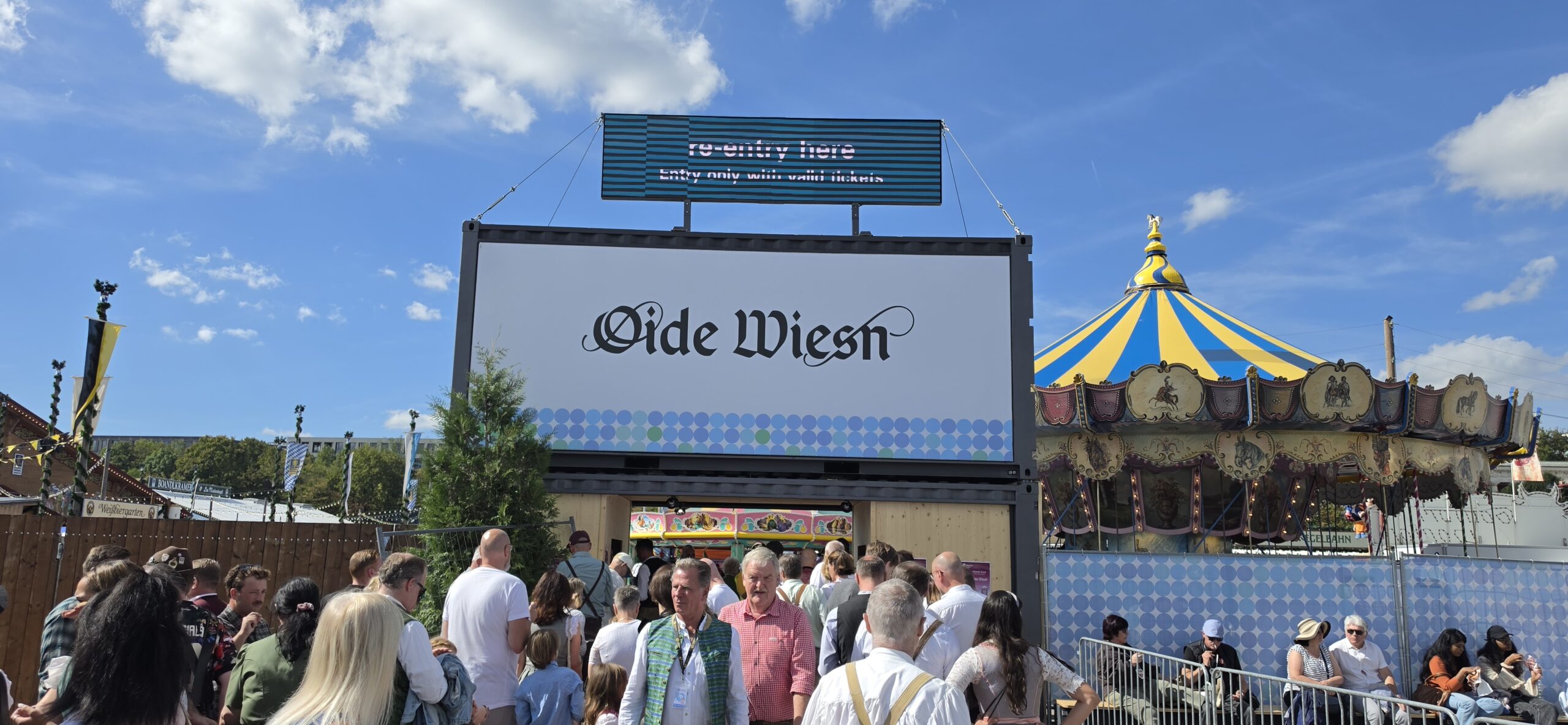
The entrance to the Oide Wiesn. Adults pay €4; children up to and including age 14 enter free.
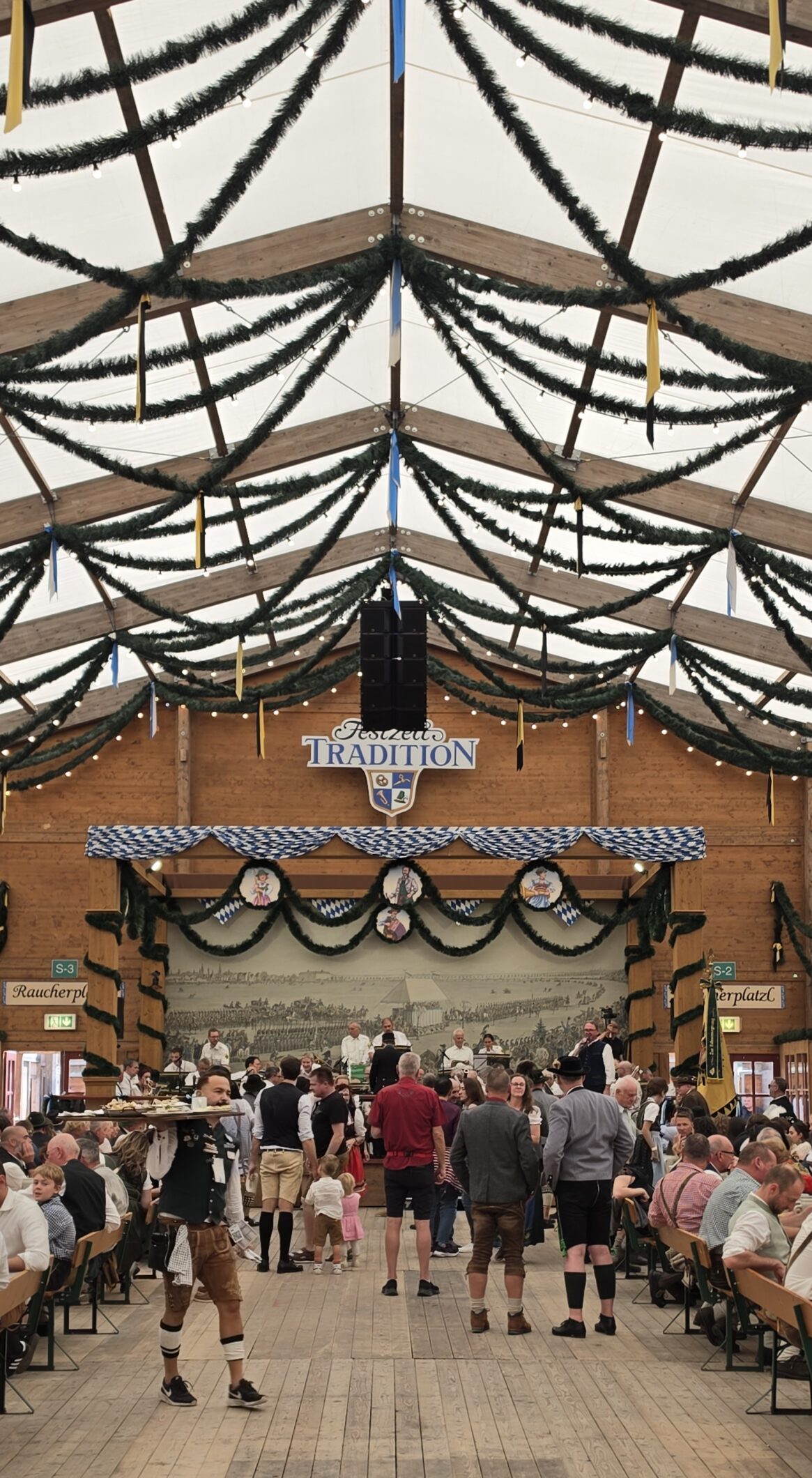
Inside the Festzelt Tradition: busy, but more open and traditional than the large party tents outside.
Historic rides for €1.50
The historic rides in the Oide Wiesn cost only €1.50 per ride. Compared with the large attractions outside, they are smaller and simpler, and some may feel a little tame or childlike. But that is also part of their charm: they offer an inexpensive way to enjoy the atmosphere of an older Oktoberfest.
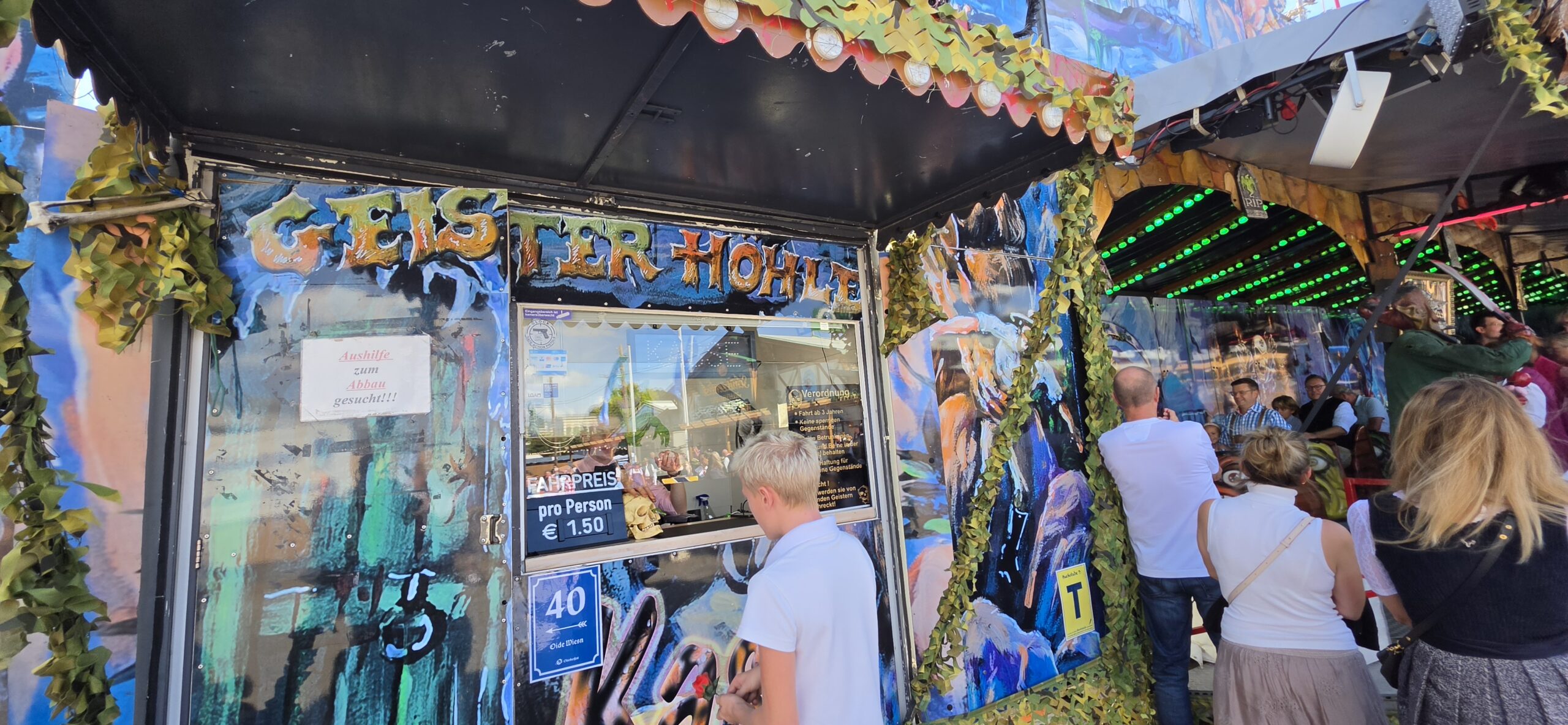
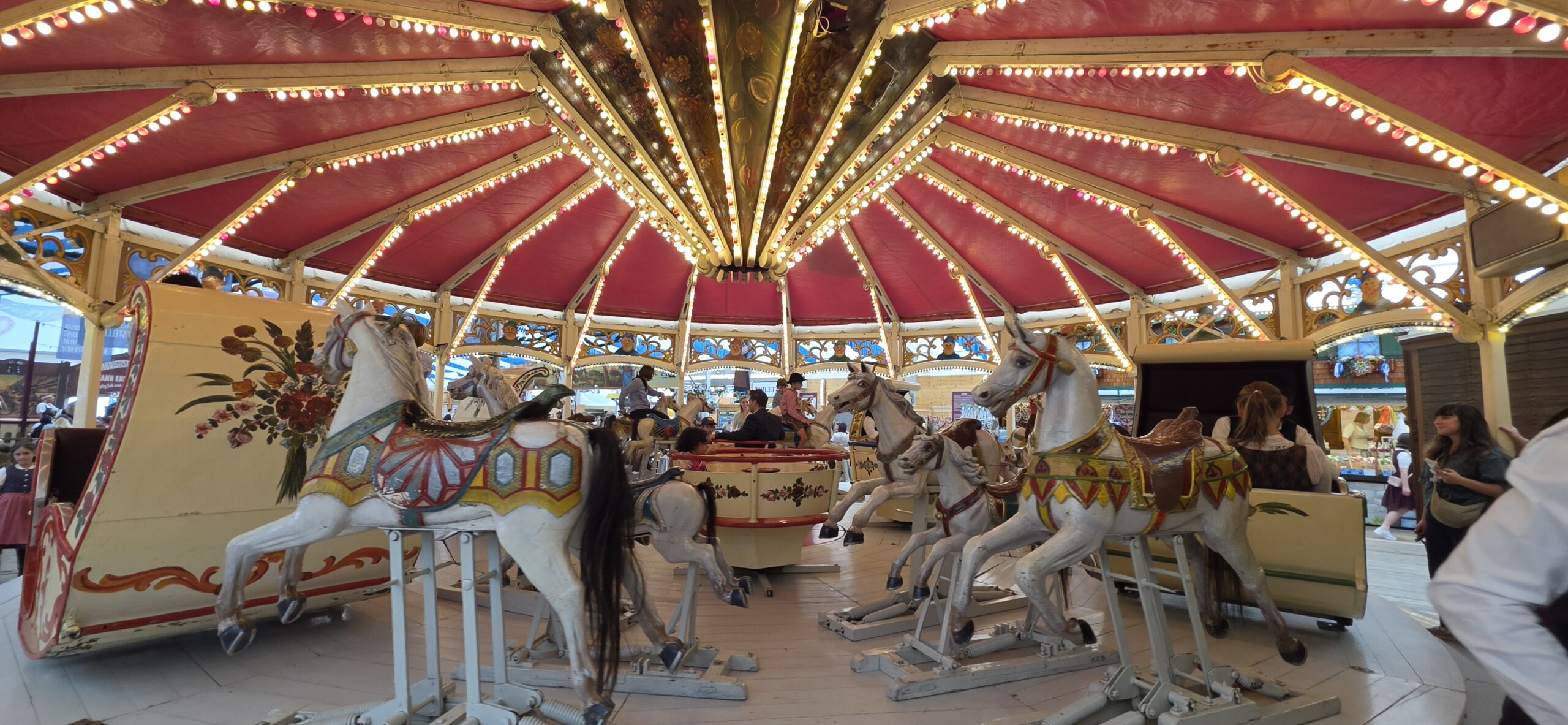
A clearly marked €1.50 ride price and one of the historic carousels inside the Oide Wiesn.
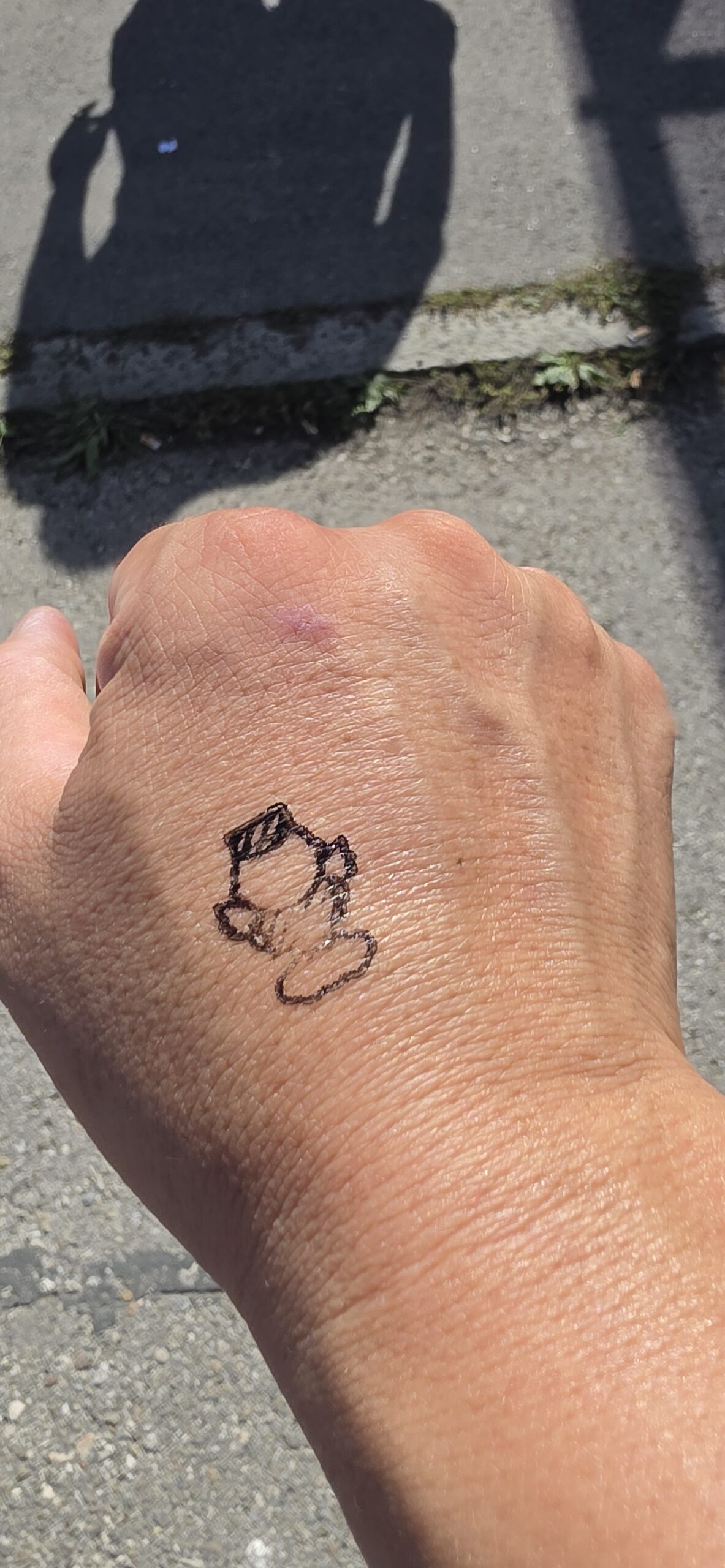
Visitors can also leave the Oide Wiesn and return later. Staff stamp the back of your hand when you exit, and showing the stamp allows re-entry. That flexibility makes the €4 admission more useful: you do not have to choose between staying inside all day and losing your ticket.
What I would do next time
I would visit both areas: the main Wiesn for its scale and energy, then the Oide Wiesn when I wanted a calmer pace. The two experiences complement each other rather than compete.
Opening day is not a normal Wiesn day. Parade routes, security controls and temporary crowd restrictions can change how visitors enter and move around the grounds. On another day, the approach from Hackerbrücke may be much more direct.
Useful facilities
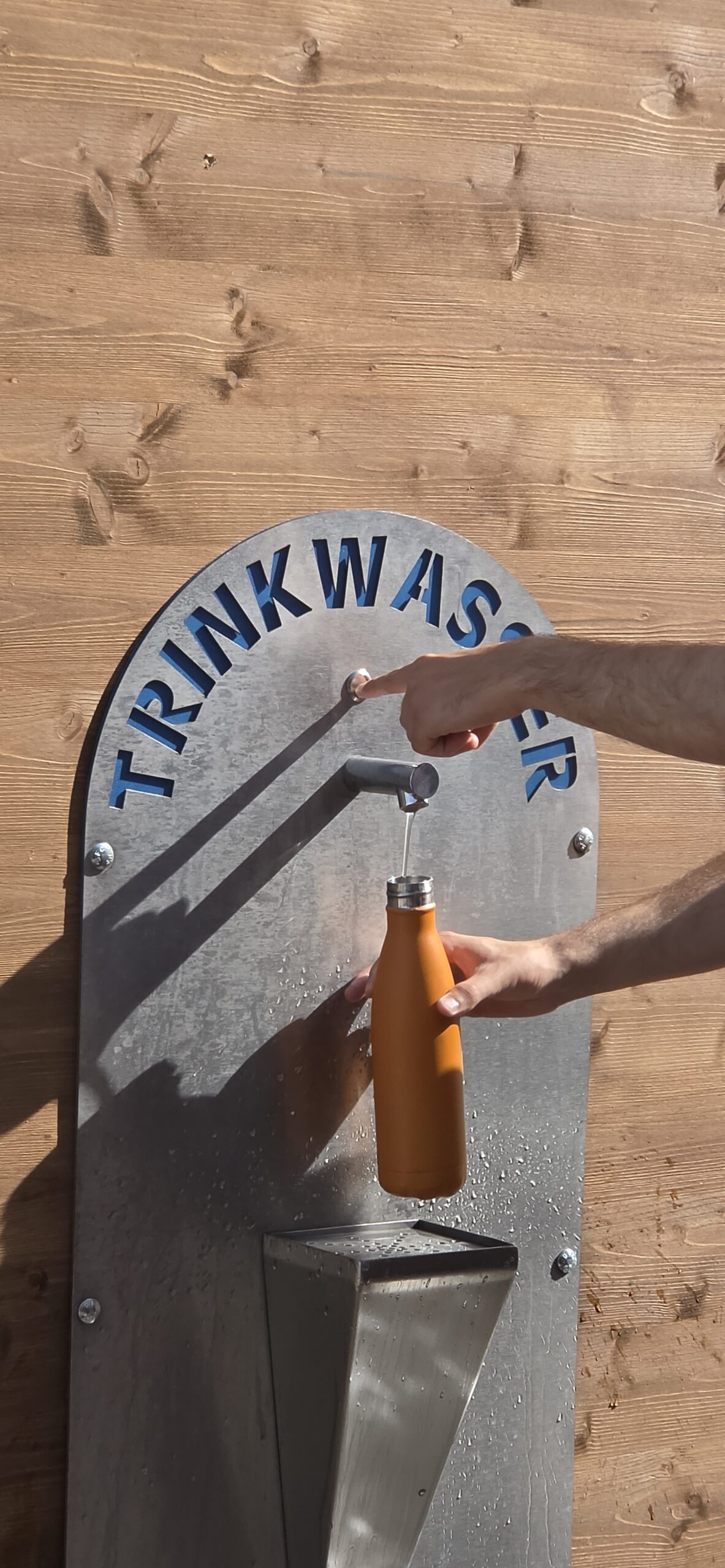
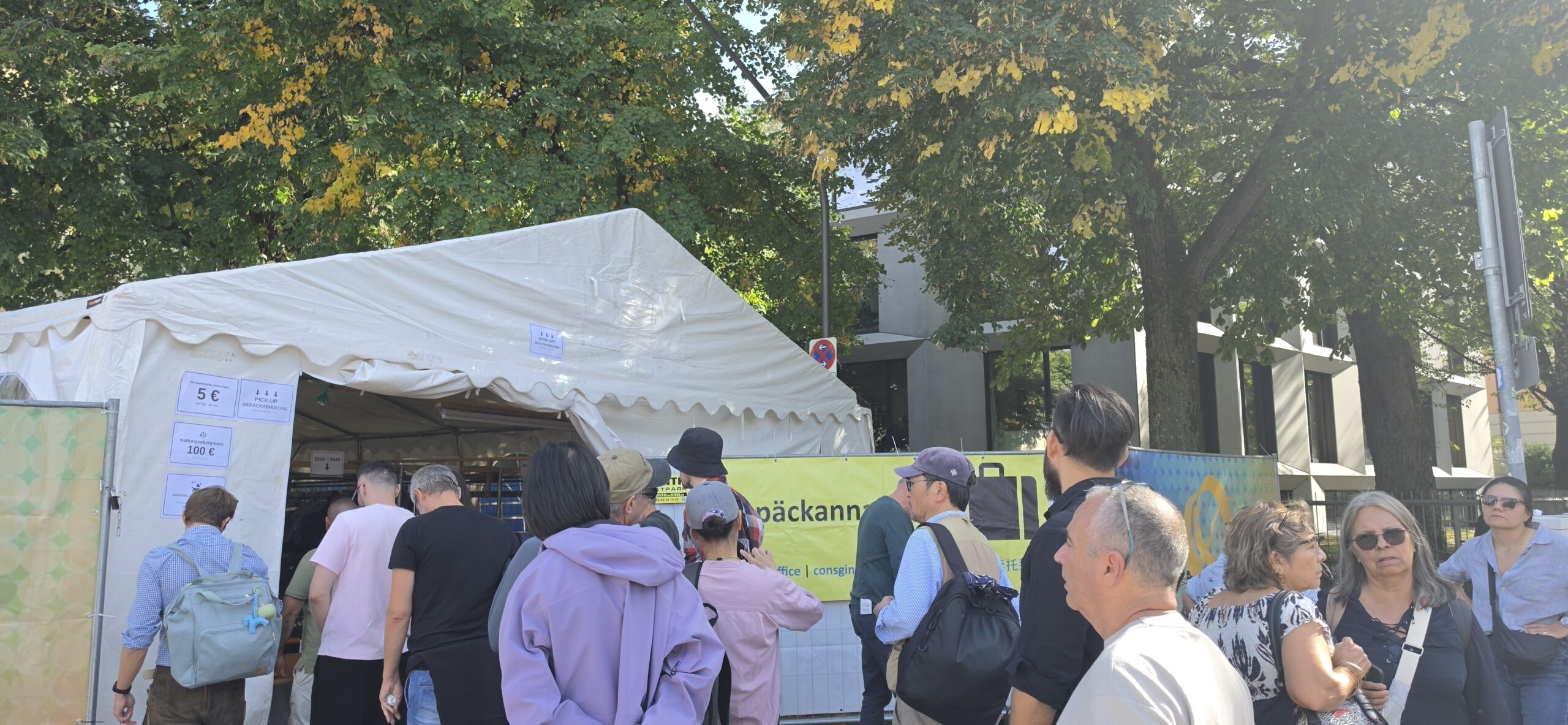
Near the Mozartstraße entrance, the luggage-storage tent displayed a price of €5 per item. The grounds also had free public toilets, drinking-water stations and temporary police, medical and fire-service facilities.
Can international visitors pay by credit card?
Credit-card acceptance is limited. The official 2026 visitor guide separates credit cards from Germany’s Girocard/EC system:
Credit cards explicitly accepted
- Käfer Wiesn-Schänke (also Girocard/EC)
- Marstall Festzelt (also Girocard/EC)
Girocard/EC listed
- Hacker Festzelt
- Hofbräu Festzelt
- Kufflers Weinzelt
- Schottenhamel
- Schützenfestzelt
- Wildstubn
- Winzerer Fähndl
Cash only
- Augustiner Festzelt (ATM inside)
- Bräurosl
- Löwenbräu
- Ochsenbraterei
Card type not specified
- Armbrustschützenfestzelt
For international visitors: bring some cash even if you have a Visa or Mastercard. A listing for “EC card” does not guarantee that Visa Debit, Debit Mastercard or a foreign-issued card will work. ATMs are located around the grounds and inside some large tents.
Official visitor information: bag and security rules · Oide Wiesn information · official beer prices · official Oktoberfest visitor FAQ. Ride prices and on-site observations in this article were checked during my visit on September 19, 2026 and may change.